Better Orthopaedic Instrument Design Starts with Understanding People | LIONZ 2026
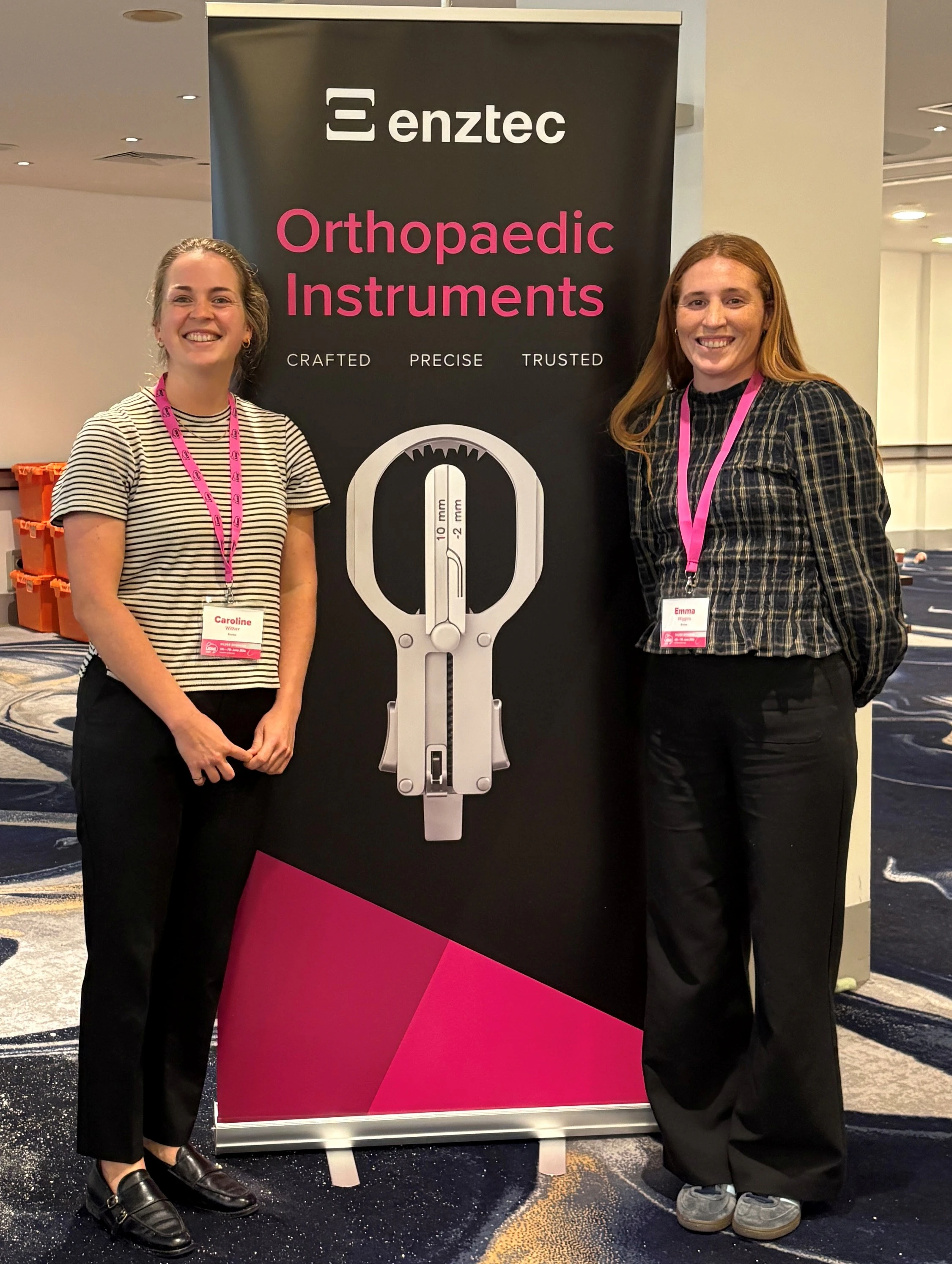
As a sponsor of LIONZ 2026, Enztec was proud to support an organisation dedicated to breaking down barriers and promoting diversity within orthopaedics. The event reinforced something we have long believed: better outcomes start with understanding people. By recognising that surgeons have different demands, preferences, and physical characteristics, we can create solutions that better support the people behind the procedures.
What LIONZ Reinforced for Us
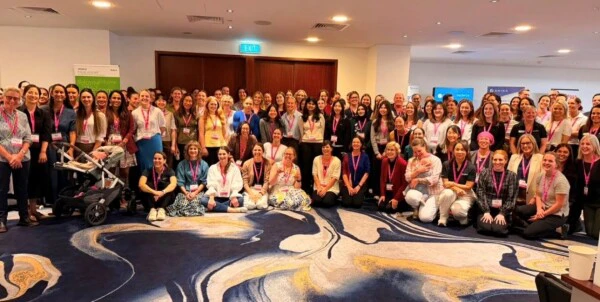
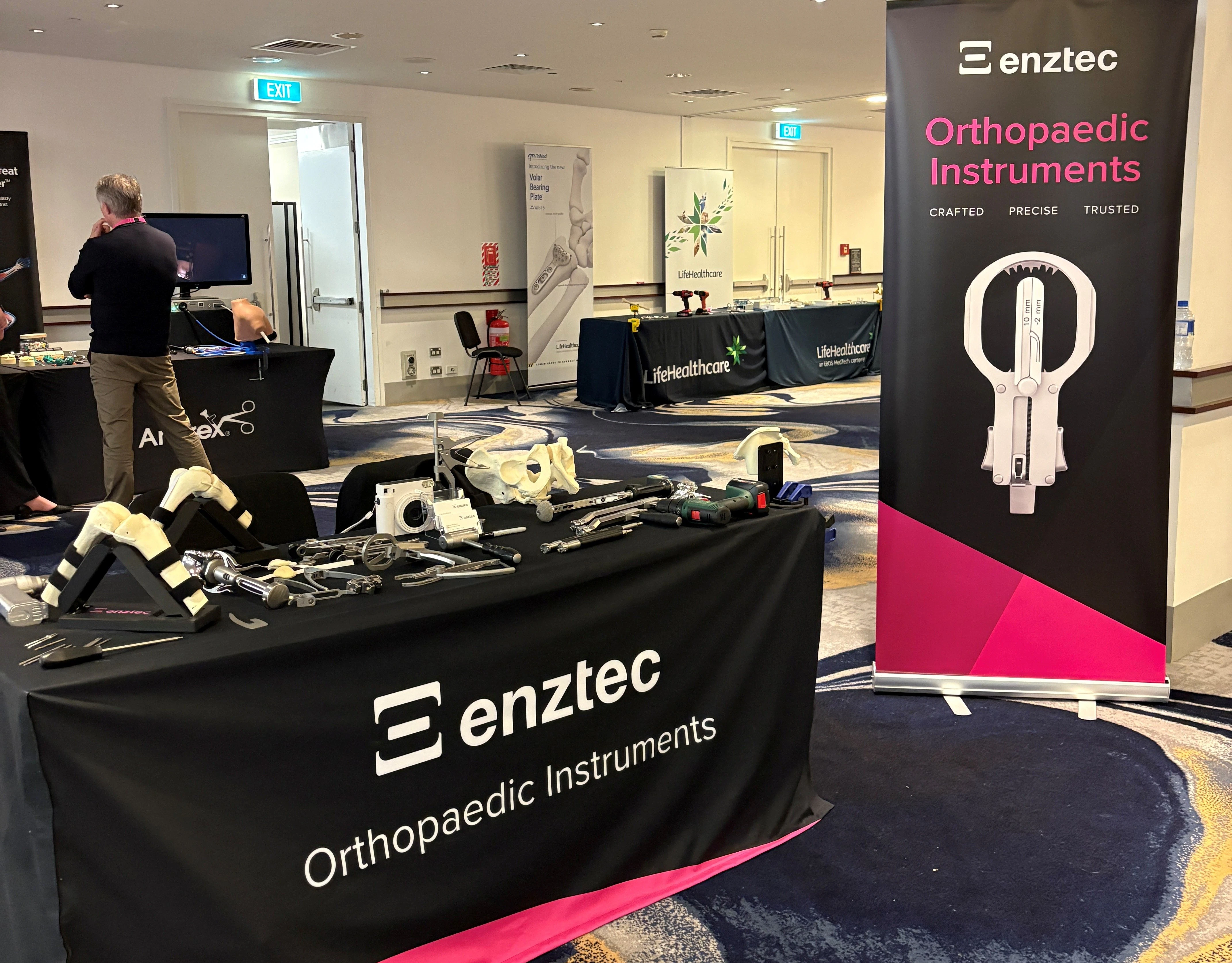
This year, Enztec was proud to support Ladies in Orthopaedics New Zealand (LIONZ) 2026 as an event sponsor.
LIONZ is committed to supporting female surgeons, breaking down barriers, promoting diversity, and advocating for cultural change within orthopaedics. Through mentoring, networking, leadership opportunities, and practical education, the organisation helps foster a more inclusive and diverse orthopaedic community.
Part of that work involves challenging long-standing perceptions about orthopaedics. Historically, the specialty has often been viewed as requiring a particular physical build or level of strength, assumptions that may discourage talented individuals from considering it as a career path.
LIONZ is helping shift that perception by creating visibility, sharing experiences, and supporting aspiring surgeons as they explore the profession.
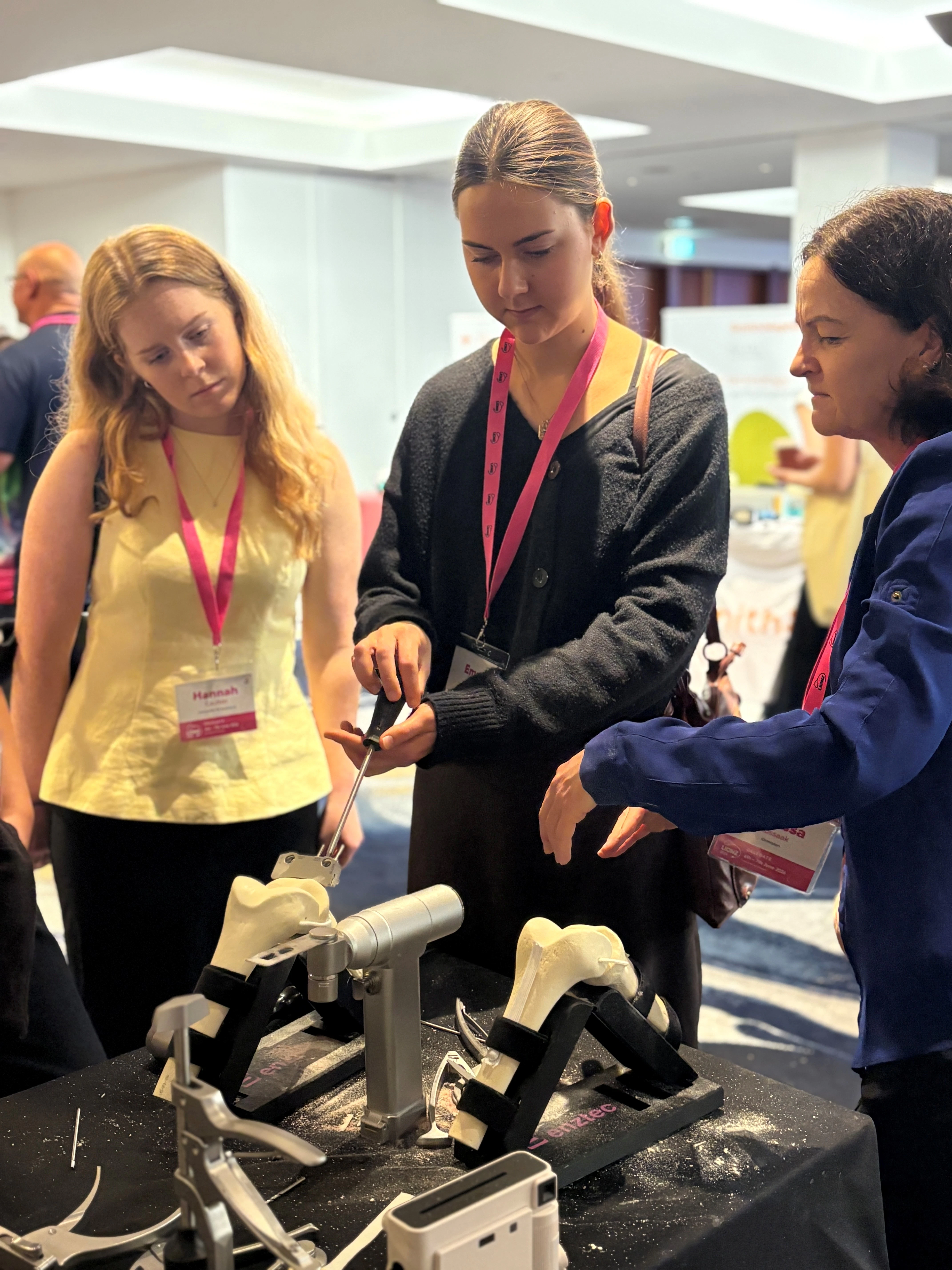
This year’s event brought together female medical students with practising surgeons and industry representatives for two days of discussion, hands-on workshops, and shared learning. It offered attendees an opportunity to gain exposure to the specialty while hearing directly from those already working within it.
Looking Beyond the “Typical” User
For organisations like LIONZ, that means challenging assumptions about who belongs in orthopaedics. For us, it means thinking carefully about the people who use our instruments.
Orthopaedic surgeons bring different physical characteristics, preferences, techniques, and ways of working to the operating room. What feels comfortable and intuitive for one surgeon may not feel the same for another.
If we understand the people using an instrument, we are better positioned to create solutions that support them. If we design around assumptions, we risk overlooking the variability that exists in real surgical practice.
Designing for Real-World Variability
Understanding this variability is central to how we approach orthopaedic design.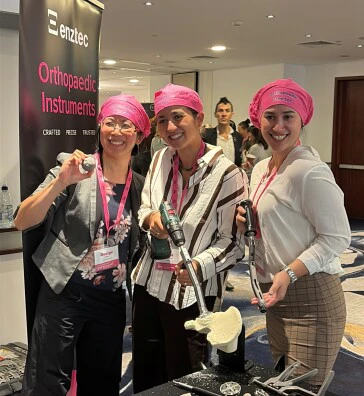
This thinking is not limited to major innovation. Some of the most meaningful improvements come from understanding how instruments are actually used in practice.
Questions around ergonomics, accessibility, comfort, and control are all part of the design process.
How does an instrument feel during a procedure?
Does it accommodate different approaches and preferences?
Can it provide greater comfort or confidence for a diverse range of users?
We do not just want our instruments to work effectively. We want users to feel supported and confident while using them, enabling them to perform at their best. These considerations may seem small in isolation, but together they can have a meaningful impact on the overall user experience.
This way of thinking continues to shape how we approach product development at Enztec. By understanding the realities of surgical practice and the variety of people performing these procedures, we can identify opportunities to make instruments more intuitive, comfortable, and effective to use.
An Example of This: The Enztec Short Reamer Drivers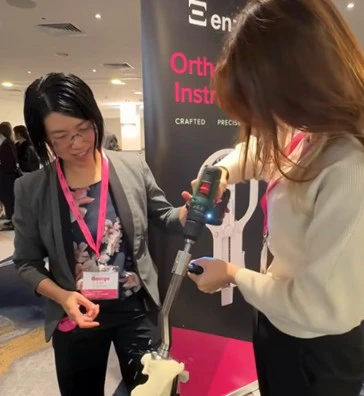
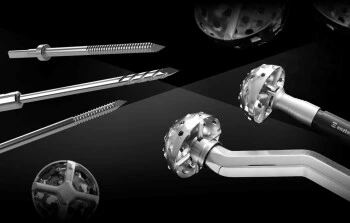
The Enztec short reamer drivers were developed on a simple principle: comfort and control are not one-size-fits-all.
Because of that, we introduced a more compact option alongside our existing design, giving surgeons greater flexibility to choose what best suits their approach and ergonomics. The procedure itself remains the same, but the experience of using the instrument can now differ.
The LIONZ event provided another great opportunity to see this in practice. During the hands-on workshops, attendees trialled both the standard and shorter reamer drivers on sawbones, with many gravitating toward the shorter option. This highlighted the positive impact the shorter design can have on ergonomics, comfort, and control for many users, even when the task itself is unchanged.
Why This Matters
Supporting LIONZ was a valuable opportunity to engage with an organisation helping broaden perspectives within orthopaedics.
It was also a reminder that progress in orthopaedics happens in many forms, from creating opportunities for people to enter the profession through initiatives like LIONZ, to improving the instruments they rely on once they are there.
For Enztec, this reflects the way we work, guided by values of friendship, integrity, excellence, passion, and leadership. These values shape how we collaborate, how we design, and how we approach the people who use our instruments.
Key Takeaways
- Enztec supported LIONZ 2026 as an event sponsor
- LIONZ supports female surgeons through mentoring, networking, leadership, and practical learning opportunities
- The organisation helps challenge long-standing perceptions about orthopaedics and broaden access to the specialty
- Surgeons bring different physical characteristics, preferences, techniques, and working styles
- The shorter reamer driver was developed to offer an additional option where comfort and control are not one-size-fits-all
- Designing for orthopaedics involves considering ergonomics, comfort, accessibility, and usability in real-world use
- Better design starts with understanding the people who use the instruments